


THE BUILDING BLOCKS OF WELLNESS
Different Types of COLLAGEN
Collagen is far more than a single protein. It is a family of structural proteins that help support everything from radiant skin and strong nails to healthy joints and active movement. Each collagen type serves a unique purpose within the body, contributing to strength, resilience, and vitality.
Learn about the most important collagen types and discover which forms of collagen may best support your individual health and wellness goals.
🧬
What Is Collagen? The Ultimate Guide to the Body’s Most Essential Protein
Collagen is the most abundant protein in the human body, making up nearly 30% of our total protein content. It’s the structural backbone of our skin, bones, muscles, tendons, ligaments, cartilage, and even blood vessels. Often described as the “glue” that holds the body together, collagen plays a vital role in maintaining strength, elasticity, and regeneration throughout the body.
In this complete guide, we’ll break down:
- What collagen is
- The different types of collagen
- How your body makes collagen
- Why collagen levels decline with age
- The benefits of collagen supplements
- Scientific research supporting collagen use
🔬
What Exactly Is Collagen?
Collagen is a fibrous, structural protein made of long chains of amino acids, primarily:
- Glycine
- Proline
- Hydroxyproline
- Arginine
These amino acids form triple helices that bundle into strong collagen fibrils—key components of connective tissue.
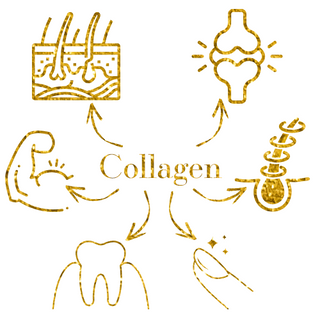
It’s found in:
- SKIN: providing firmness and elasticity
- BONES & JOINTS: giving structure and shock absorption
- MUSCLES: supporting strength and recovery
- HAIR & NAILS: aiding growth and resilience
- GUMS & TEETH: maintaining oral health
In fact, this wonder protein makes up around 70% of the dry mass of our skin and forms the extracellular matrix (the mesh network that keeps our skin resilient and bouncy).
How Does the Body Produce Collagen?
Your body naturally produces collagen by combining amino acids from protein-rich foods with cofactors like Vitamin C, Zinc, and Copper. Collagen synthesis takes place in fibroblast cells, mostly found in the skin and connective tissue.
However, this process slows down with age—especially after the age of 25.
Other factors that reduce collagen production include:
- Sun exposure
- Smoking
- Stress
- Poor diet
- Lack of sleep
Marine vs Bovine vs Porcine vs Chicken Collagen
Collagen supplements are available from several different sources, each containing varying collagen types and offering unique benefits. Understanding the differences can help you choose the right collagen supplement for your individual health, beauty, or wellness goals.

Type I
Marine Collagen
Marine collagen is sourced from fish skin, scales, and connective tissues. It is naturally rich in Type I collagen, the most abundant collagen found in the human body and the primary collagen present in skin, hair, nails, tendons, and bones.
Key Benefits of Marine Collagen
✨ Rich in Type I collagen
✨ Popular for skin, hair, and nail support
✨ Sourced from fish rather than land animals
✨ Hydrolysed marine collagen mixes easily into drinks
✨ Often chosen as part of beauty and healthy ageing routines
Because Type I collagen makes up approximately 90% of the body's collagen, marine collagen is particularly popular among those looking to support healthy-looking skin and overall wellbeing.
Perfect for:
Skin, hair, nails, healthy ageing

Type I & III
Bovine Collagen
Bovine collagen is derived from cows and typically contains both Type I and Type III collagen. These collagen types are widely distributed throughout the body and play important roles in connective tissue structure.
Key Benefits of Bovine Collagen
💪 Contains both Type I and Type III collagen
💪 Popular for overall collagen support
💪 Supports skin, bones, muscles, and connective tissues
💪 Commonly used in general wellness supplements
Bovine collagen is one of the most widely available collagen sources and is frequently used in multi-purpose collagen formulations.
Perfect for:
Skin, joints, bones, connective tissues

Type I & III
Porcine Collagen
Porcine collagen is sourced from pigs and has a collagen profile very similar to bovine collagen, containing primarily Type I and Type III collagen.
Key Benefits of Porcine Collagen
🌿 Similar amino acid profile to bovine collagen
🌿 Supports connective tissues throughout the body
🌿 Often used in general collagen supplements
For many consumers, bovine and porcine collagen provide comparable benefits due to their similar collagen composition.
Perfect for:
Skin, joints, bones, connective tissues

Type II
Chicken Collagen
Chicken collagen is naturally rich in Type II collagen, which is found primarily within cartilage.
Key Benefits of Chicken Collagen
🦵 Rich source of Type II collagen
🦵 Commonly used in joint-focused supplements
🦵 Popular among active individuals and older adults
🦵 Often included in mobility and cartilage-support formulations
Because cartilage contains large amounts of Type II collagen, chicken-derived collagen is frequently associated with joint health supplements.
Perfect for:
Cartilage and joint support

🌊
Why Choose Marine Collagen?
Marine collagen, sourced from wild-caught fish skin and scales, is:
- More bioavailable than bovine collagen (up to 1.5x better absorption)
- Naturally rich in Type I collagen
- Sustainable and eco-friendly
- Suitable for pescatarians
Essentia Natura uses premium marine collagen peptides combined with Vitamin C, Hyaluronic Acid, Biotin, and Zinc for enhanced results.

🔢
Types of Collagen
There are at least 28 different types of collagen in the human body, each serving a unique purpose. However, five types are particularly important for skin, joints, connective tissues, and overall well-being.
Type I Collagen
The most abundant collagen in the body, accounting for around 90% of total collagen. Found in the skin, bones, tendons, ligaments, and connective tissues, Type I collagen helps provide strength, structure, and resilience.
Type II Collagen
Primarily found in cartilage, Type II collagen helps support joint structure and cushioning, making it particularly relevant for mobility and active lifestyles.
Type III Collagen
Commonly found alongside Type I collagen in the skin, muscles, blood vessels, and internal organs. It contributes to tissue elasticity and structural support.
Type IV Collagen
Located within the skin's deeper layers and various membranes throughout the body. It plays an important role in supporting cellular structure and filtration processes.
Type V Collagen
Found in the cornea, hair, placenta, and other tissues. Type V collagen helps support tissue formation and development throughout the body.
Animal bones, skin, and connective tissue are common collagen sources, like those in cows and pigs (bovine and porcine).
However, our marine collagen is derived from fish scales, which have been scientifically validated as a premier collagen source.

📉
What Happens When Collagen Declines?
Collagen loss is a natural part of ageing. By the time you reach 40, you may lose up to 1% of collagen each year. This leads to:
- Wrinkles and sagging skin
- Joint discomfort
- Loss of muscle mass
- Thinner hair and brittle nails
- Delayed wound healing
This is why many turn to collagen supplements to support natural levels.


How to Support Natural Collagen Production
While collagen supplements are a convenient way to increase collagen intake, your body also produces collagen naturally. Supporting this process through healthy lifestyle choices can help maintain collagen levels and contribute to overall wellbeing.
🍊 Vitamin C
🍗 Protein Intake
😴 Prioritise Quality Sleep
🏃 Stay Physically Active
💧 Maintain Good Hydration
☀️ Protect Existing Collagen
Supporting Collagen From Within
A combination of good nutrition, regular exercise, quality sleep, hydration, and healthy lifestyle habits can help support your body's natural collagen production. Many people also choose to incorporate high-quality collagen supplements into their daily wellness routine as part of a balanced approach to healthy ageing and overall wellbeing.

Resilience Refined
Collagen Resilience®, you’re building strength from the inside out—supporting not just beauty, but vitality, performance, and long-term health.

Brilliance Bottled
Collagen Brilliance®, you're nurturing your natural glow from within—supporting not just skin luminosity, but lasting hydration, smoothness, and youthful confidence.
🧪
Science-Backed Benefits of Collagen Supplementation
Numerous clinical studies support the effectiveness of collagen:
Skin Health
A 2019 review in Journal of Drugs in Dermatology found that oral collagen peptides improve skin elasticity, hydration, and density in as little as 4–8 weeks.
Joint Pain Relief
Research in Current Medical Research and Opinion (2008) found that collagen Type II reduced joint discomfort and stiffness in athletes and older adults.
Muscle Mass
A study in British Journal of Nutrition (2015) showed that collagen peptides plus resistance training helped improve muscle mass in elderly men.
Hair & Nails
Participants in a 2017 study reported stronger nails and reduced breakage after daily collagen use for 24 weeks. Similar benefits are seen in hair growth and shine.
Effectiveness of Essentia Natura's Peptan®F collagen peptides
A clinical study with 33 women aged 40-59 showed a 28% increase in skin hydration after ingesting collagen peptides. Peptan® Collagen peptides improved skin dryness for most participants.


Peptan® collagen increases skin hydration but 28% after 8 weeks! Plus in those women the skin hydration level increased a phenomenal 91% after 8 weeks as well.

🕒
When & How to Take Collagen
Best Time: Morning on an empty stomach or post-workout
Form: Liquid (like Essentia Natura), powder, or capsules
Dosage: 5–10g per day is typically effective
Support Nutrients: Take with Vitamin C to enhance absorption
Your top collagen questions answered...

Find the Right Collagen for Your Goals
Whether you're looking to support healthy-looking skin, stronger nails, active joints, or overall wellbeing, understanding the different types of collagen can help you choose the supplement that's right for you.
Essentia Natura’s marine collagen formula is clean, effective, and backed by science—so you can support your body from the inside out.
Explore Essentia Natura Collagen and start your wellness journey today.
Essentia Natura Blog

Marine vs Bovine Collagen: Which One Is Right for You?
If you've been browsing our range here at Essentia Natura, you might have noticed we have two hero products: Collagen Brilliance® and Collagen Resilience®. Both are liquid collagen supplements, both...
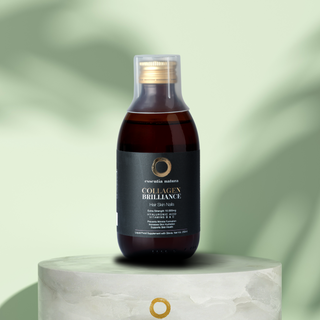
Collagen Brilliance®: The Secret to Radiant, Youthful Skin
Collagen Brilliance®: The Secret to Radiant, Youthful Skin Discover Collagen Brilliance® with Peptan® peptides. Clinically proven to reduce wrinkles, boost hydration, and improve skin elasticity for youthful, radiant skin